- 變速桿
- 剎車桿
- 啟動桿
- 燃油及化油器配件
- 腳踏
- 手把
- 工具
- 車把
- 輪子
- 街車其他部品配件
- 保護
- 剎車及離合器
- 競技車
- 引擎
- 螺絲及螺帽
- 越野車其他部品配件
- 冷卻
- 沙灘車
- 集合包

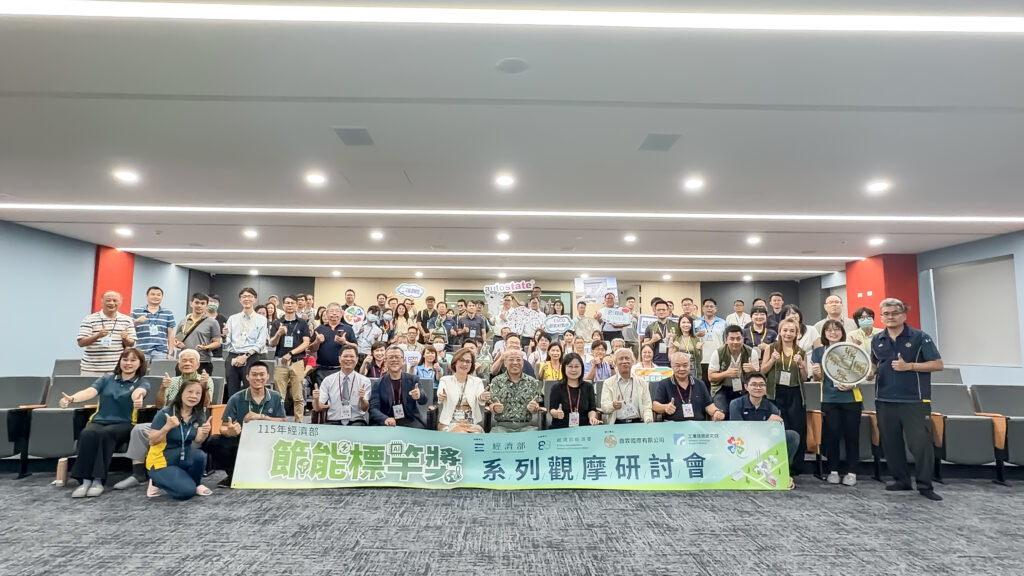
The Energy Administration under the Ministry of Economic Affairs held the 2026 Energy Conservation Benchmark Site Visit and Seminar today, July 22. AUTOBUYER INT. CO., a Gold Award winner of the Energy Conservation Benchmark Awards, was invited to share how it transformed from a traditional parts manufacturer into a digitally managed smart manufacturer, creating a “smart, energy-efficient factory” with both improved energy performance and stronger international competitiveness.
According to the Energy Administration, the Executive Yuan’s Deep Energy-Saving Initiative has continued to deliver substantial results. As of June 2026, the program had achieved cumulative electricity savings of 13.24 billion kWh, reaching 109% of its target. This is equivalent to the annual electricity consumption of approximately 3.18 million households.
A total of 52,000 small and medium-sized enterprises have implemented energy-efficiency improvements. Despite having limited resources, these companies have actively invested in energy-saving measures, demonstrating their determination to reduce energy consumption.
To help more SMEs expand their energy-saving achievements, the Energy Administration provides resources such as benchmark site visits, expert consultation and Energy Service Company, or ESCO, services. These resources allow businesses to learn from successful cases and develop energy-efficiency improvement plans tailored to their individual needs.
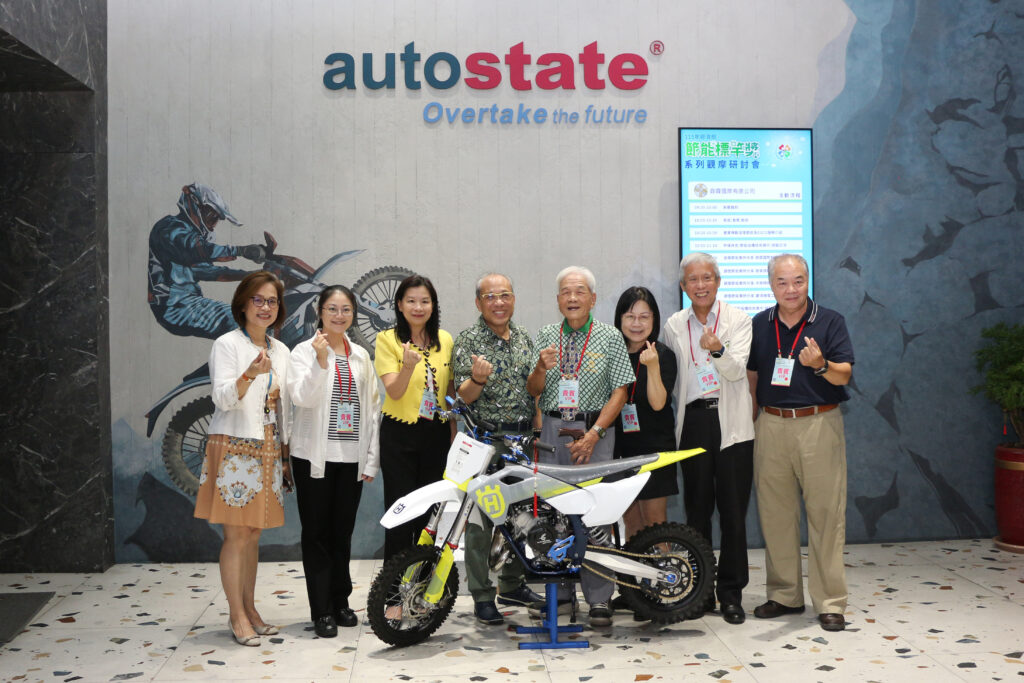
AUTOBUYER INT. CO., winner of the Gold Award in the SME category, has long specialized in aftermarket parts and accessories for off-road motorcycles and street bikes. The company has gradually entered the supply chains of internationally recognized off-road motorcycle brands, with its products exported to Europe, the United States and Japan and used in motorcycle models from KTM, Yamaha, Honda and other major brands.
Building on its entrepreneurial spirit, AUTOBUYER has combined its accumulated market experience and manufacturing expertise with the digital thinking of a new generation. By introducing automation and energy management into its production processes, the company has created a major driving force behind its dual-track transformation toward both digitalization and energy efficiency.
The Energy Administration noted that AUTOBUYER’s most representative achievement is its use of intelligent and automated manufacturing processes to turn energy conservation into concrete improvements in production efficiency.
The company established its 2025 ratio of “total electricity consumption to shipment value” as its baseline and set a target of reducing electricity intensity by 2% each year.
AUTOBUYER has also introduced five-axis computer numerical control, or CNC, machine tools, intelligent automated machining systems and robotic arms. Through digital production scheduling, these systems can automatically change tools, load and unload materials and perform continuous machining operations.
This has significantly reduced manual work, waiting time and equipment idling. Certain high-mix, low-volume production processes can also be scheduled to operate automatically during off-peak hours and at night. Without requiring employees to remain on-site throughout the entire process or keeping the factory fully illuminated, the company has successfully created a smart, energy-efficient factory capable of operating 24 hours a day.
In addition to making its manufacturing processes smarter, AUTOBUYER has incorporated a variety of energy-saving concepts into the construction of its new factory and its daily operations.
The layout and orientation of the new facility were designed to reduce exposure to direct afternoon sunlight from the west, thereby lowering the demand placed on the air-conditioning system. High-efficiency chillers and an automatic temperature-control system were installed to replace conventional split-type air-conditioning units.
For its compressed-air system, the company introduced variable-frequency screw air compressors. It also implemented compressed-air pipeline leak inspections and repairs, as well as valve shutoff management when equipment is not operating, effectively reducing unnecessary energy losses.
In terms of energy management, AUTOBUYER has implemented the ISO 50001 Energy Management System, digital electricity meters and an energy-monitoring platform. These systems provide real-time visibility into electricity consumption, transforming energy management from a process dependent on human experience into one driven by data monitoring and analysis.
For its smart warehouse, the company reorganized storage locations according to material turnover frequency. High-turnover materials were moved closer to the shipping area, reducing transportation distance and handling time.
Through these measures, energy conservation has extended beyond production equipment to include factory design, production workflows, warehouse operations and management systems.
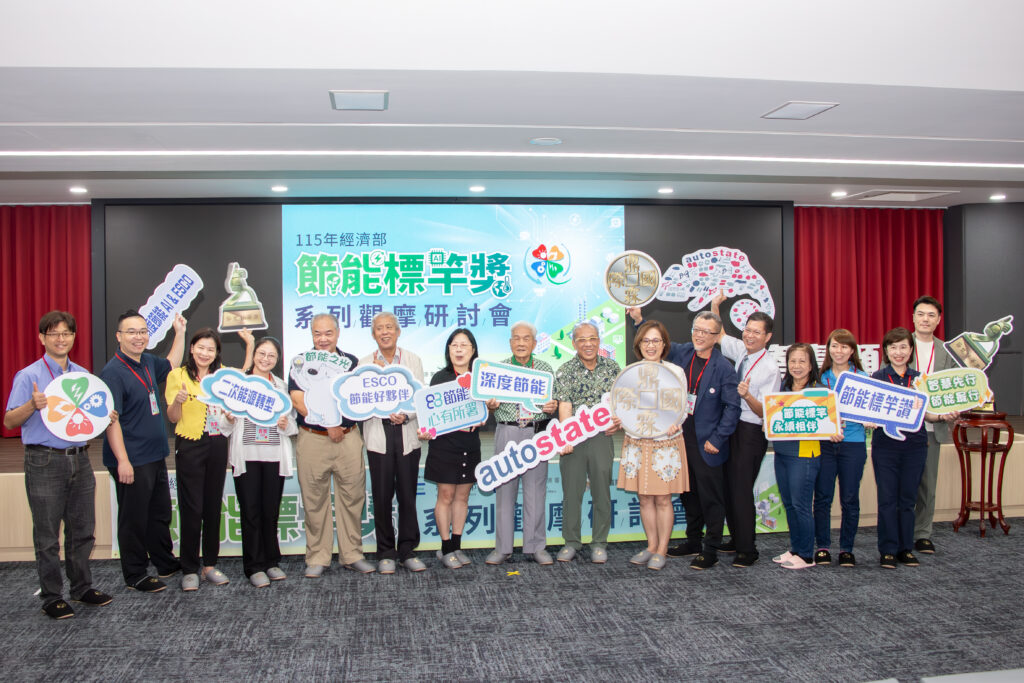
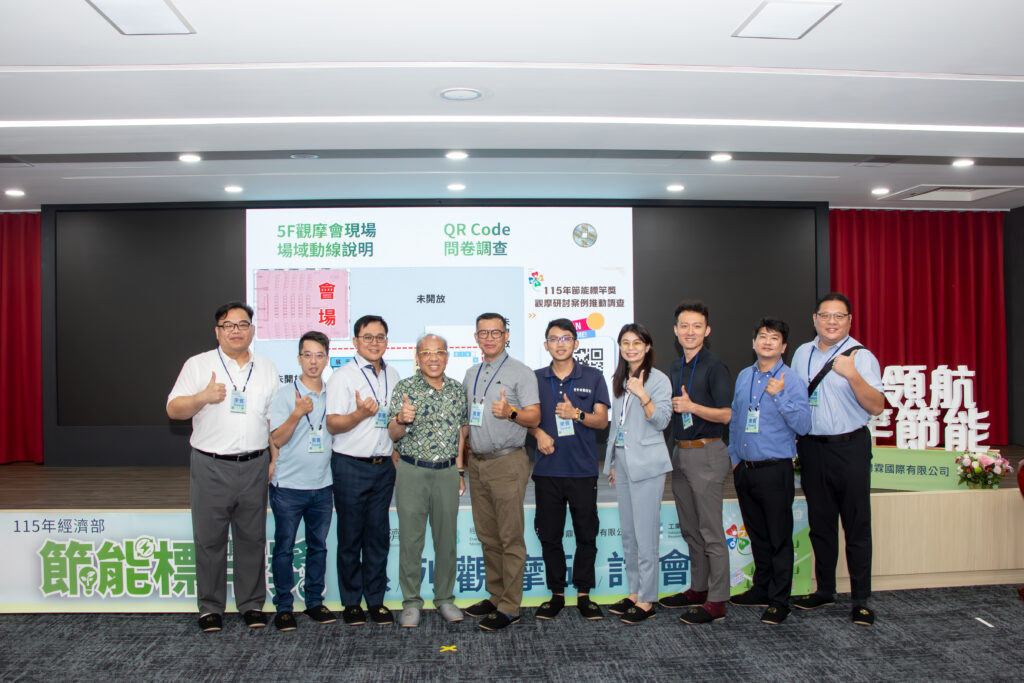
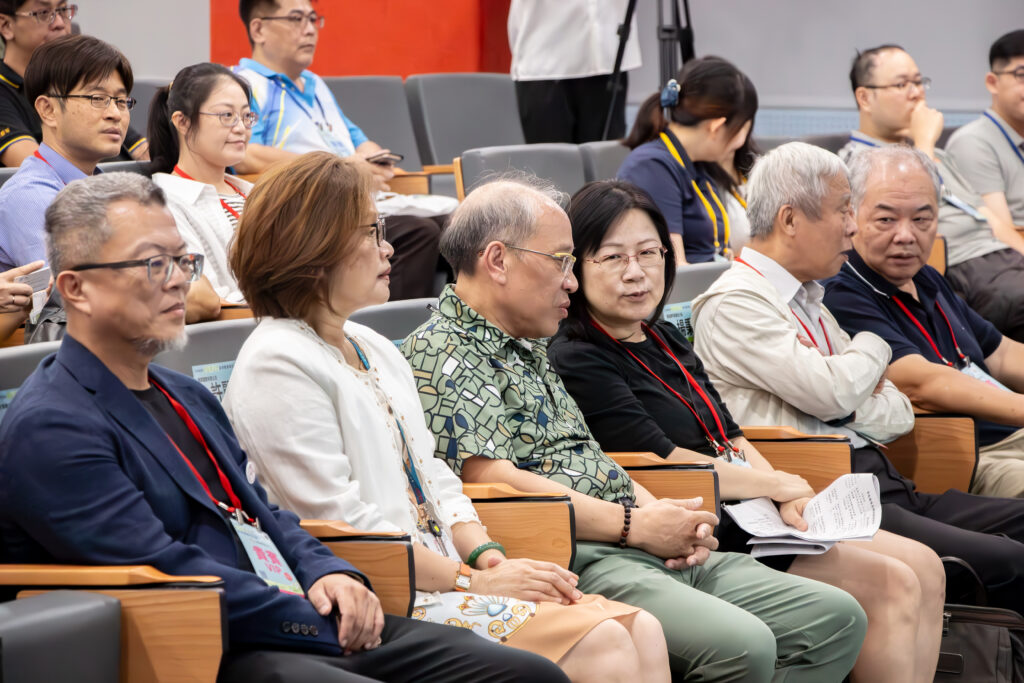
To help more SMEs gain practical experience, the event also invited three Silver Award-winning companies—PLANET Technology, Tien Kang Precision Machinery and CHMER—to share their energy-saving practices.
Their presentations covered energy management, manufacturing-process improvements, equipment optimization and smart technology applications, providing practical examples for businesses in a variety of industries.
Wang Chun-yuan, Chairman of the ESCO Association, also explained how SMEs can make effective use of ESCO technical services to plan energy-efficiency improvement projects and utilize available resources.
The event arranged opportunities for ESCO service providers and participants to communicate directly, helping businesses gain a deeper understanding of practical topics such as energy-efficiency assessments, improvement planning and return on investment. The exchanges and discussions were highly active.
To help more SMEs gain practical experience, the event also invited three Silver Award-winning companies—PLANET Technology, Tien Kang Precision Machinery and CHMER—to share their energy-saving practices.
Their presentations covered energy management, manufacturing-process improvements, equipment optimization and smart technology applications, providing practical examples for businesses in a variety of industries.
Wang Chun-yuan, Chairman of the ESCO Association, also explained how SMEs can make effective use of ESCO technical services to plan energy-efficiency improvement projects and utilize available resources.
The event arranged opportunities for ESCO service providers and participants to communicate directly, helping businesses gain a deeper understanding of practical topics such as energy-efficiency assessments, improvement planning and return on investment. The exchanges and discussions were highly active.
The Energy Administration stated that, in addition to providing demonstration and promotion subsidies for Energy Savings Performance Contracting projects, the government also offers subsidies for waste-heat and waste-cooling recovery systems, power equipment and other energy-saving improvements.
A credit-guarantee mechanism for energy-service industry project loans is also available to encourage businesses to invest in energy-efficiency improvements.
Through these measures, the government hopes to encourage industries to integrate energy-saving principles into their everyday operations. By effectively reducing energy costs and enhancing corporate competitiveness, businesses can work together with the government toward a net-zero and sustainable future.